
Key Advantages
Increased Production Efficiency
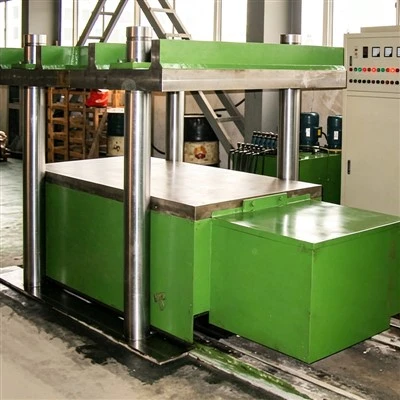
Due to mold positioning and forming, coil winding, shaping, and pressing processes can be completed quickly.
Reduces repetitive manual measurement and adjustment, making it particularly suitable for mass production.
Good Dimensional Consistency
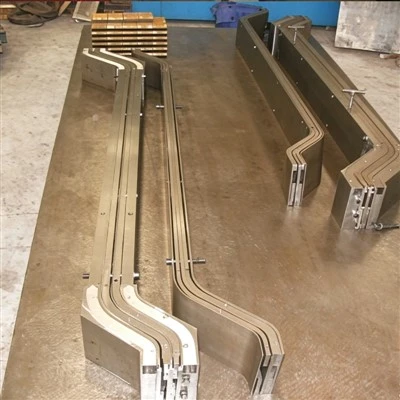
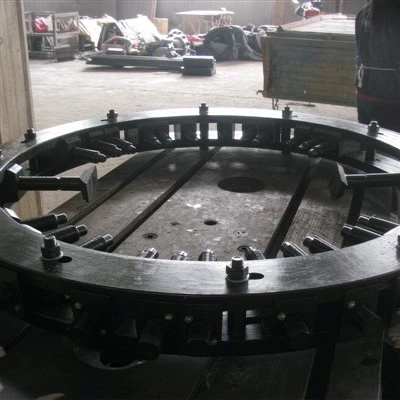
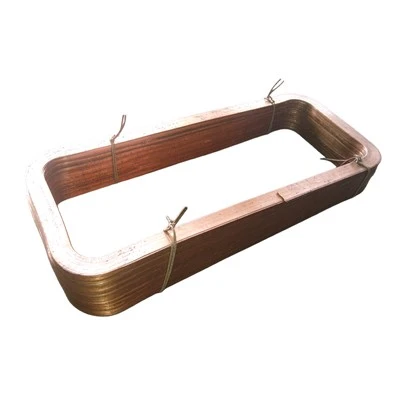
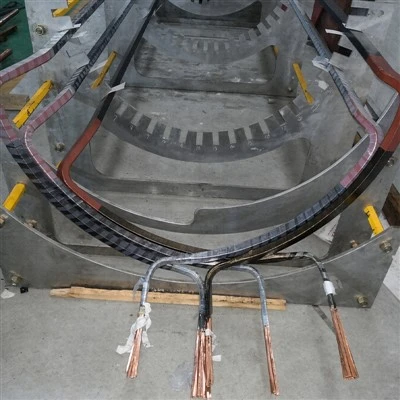
Molds can fix key dimensions of the coil, such as inner diameter, outer diameter, width, and turn spacing.
Effectively reduces dimensional deviations caused by different operators.
Improved Coil Forming Quality
Uniform pressing and shaping of coils results in neater and more compact coil arrangements.
Reduces problems such as loose coils, deformation, and warping.
Accurate Positioning
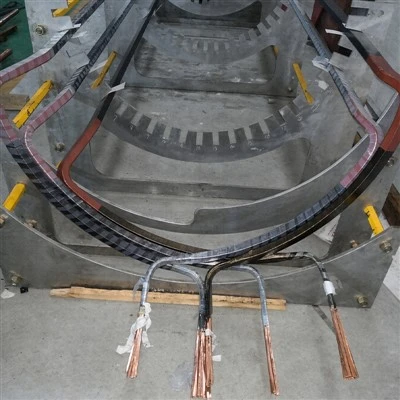
Tooling can reliably position the coil and conductors, preventing misalignment during winding.
It is also more beneficial for subsequent processes such as welding, assembly, impregnation, or core embedding.
Reduces the Difficulty of Manual Operation
Transforms operations that previously relied on worker experience into "mold-based processing."
Especially beneficial for new employees, reducing training costs and lowering the operational threshold.
Reduces Material Waste
Molds can control the winding trajectory and dimensions, reducing rework and waste wire caused by non-standard winding.
This is especially significant for high-value materials such as copper wire and enameled wire.