

Hey everyone, if you’ve been hanging around the coil processing world for a minute, you’ve probably asked this question at least once: Can a coil hydraulic press be used for embossing coils? As the owner of a coil hydraulic press supplier, I get this query all the time—usually from folks who are either looking to level up their production without buying extra gear, or maybe they’re curious if their existing equipment can pull double duty. Today I’m breaking this down, no stuffy jargon, just real talk from someone who’s worked with these machines for years.
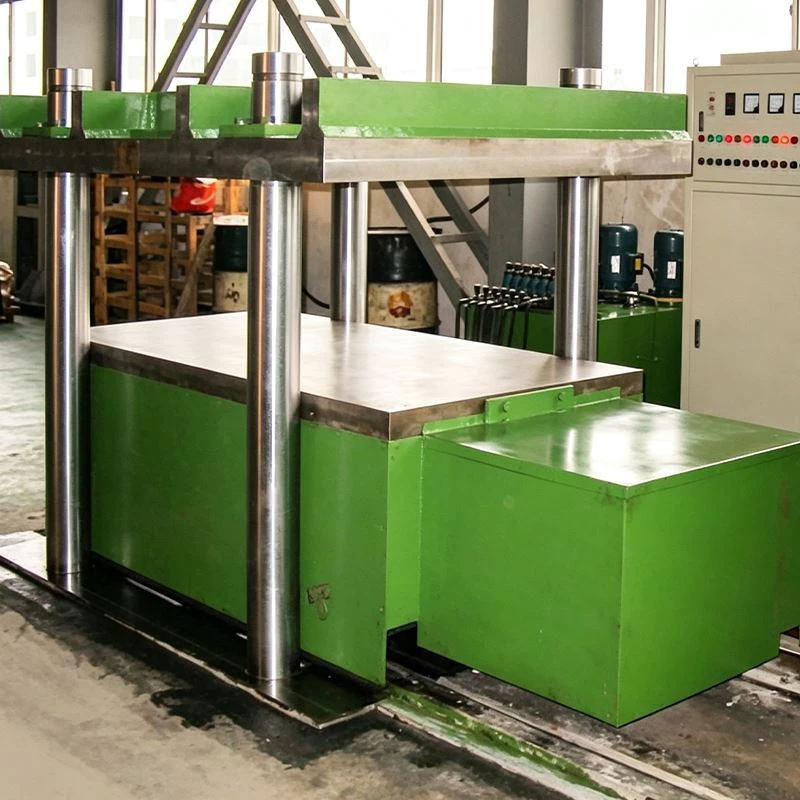
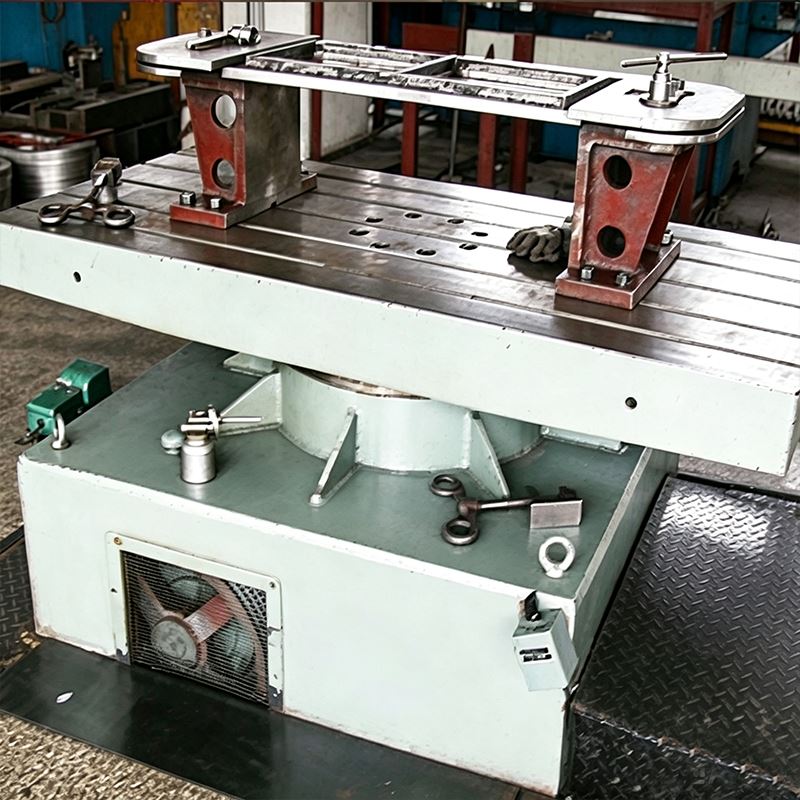
First, let’s make sure we’re on the same page about what each of these terms means, because when I talk to customers, half the confusion comes from mixing up basic definitions. A coil hydraulic press is the workhorse I sell every day—its whole thing is using hydraulic power to apply uniform, high force to thick or dense metal coils, right? We’ve got a dedicated page for that, by the way, so if you want to deep dive, check out the Coil Hydraulic Press. This machine isn’t just for straightening or cutting coils; it’s built to handle the consistent pressure needed for metal forming tasks. Now, embossing is the process of pressing a raised or recessed design into a metal surface, usually for things like branding, texture, or functional patterns (think non-slip surfaces on appliance parts, or logos on automotive trim). At first glance, these two jobs sound totally different—one’s about applying heavy, straight pressure to process whole coils, the other’s about precision patterning. But here’s the thing: modern coil hydraulic presses are way more versatile than most people think.
Let’s start with the core mechanics of a coil hydraulic press, because that’s where the embossing possibility lives. Unlike mechanical presses, which use a fixed crank and can only adjust force in big jumps, hydraulic presses let you dial in exact tonnage, pressure levels, and speed. For embossing, you don’t need the insane peak force you’d use for bending ½-inch steel, but you do need consistent, even pressure across the entire coil—something hydraulics do way better than older mechanical setups. The biggest advantage? Hydraulics distribute force across a large area, which is perfect for making sure your embossed pattern doesn’t come out lopsided, especially on wide coils. I’ve had a customer run a test on our machine last month—they make custom metal gutter guards, and they wanted to emboss a diamond pattern for grip. They were using a small manual press before, which took forever to load and only did 2-foot sections at a time. With our coil hydraulic press, they ran the whole 4-foot coil in one pass, no uneven marks, and cut their production time in half. That’s the kind of win that makes all the day-to-day customer questions worth it.
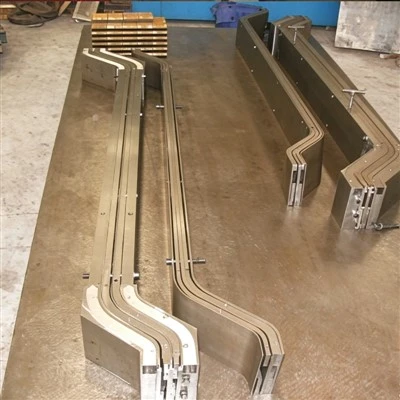
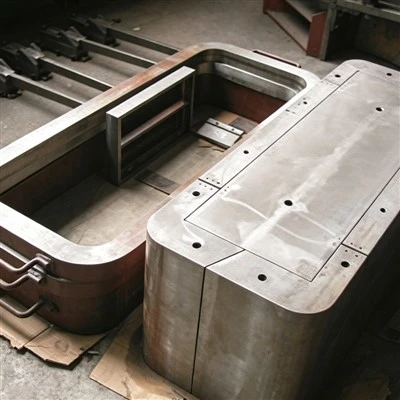
Wait, but hold on—can every coil hydraulic press do this? No, not exactly. It depends on a few key specs, and that’s where I usually steer folks toward the right machine for their needs. First, tonnage matters. Embossing thin gauge steel might only need 10-20 tons, but thick aluminum or stainless coil? You’re looking at 50+ tons, and you want a press that can hold that pressure steadily, no drop-off mid-pass. Second, bed size and die compatibility. Embossing requires custom dies—you can’t just press a pattern into metal out of nowhere; you need an upper and lower die cut to your exact design. That’s why many of our customers who do embossing opt for our Hydraulic Coil Press Machine models, which come with interchangeable bed plates that make swapping in embossing dies super easy. No need to reconfigure the whole machine every time you switch between straightening and embossing—just swap the die set and you’re good to go. I’ve also worked with companies that make pole coils for motors, by the way—they needed to emboss small identification marks on their coil ends, and our Pole Coil Press Machine had the right small bed and precision controls for that tiny, detailed embossing. That’s a perfect example of how even specialized coil presses can handle secondary embossing tasks when set up right.
Now, let’s talk about the real-world limits, because I don’t want to oversell this—no one likes a vendor who promises the moon and delivers a dud. The main thing to watch out for is coil thickness and pattern complexity. If you’re trying to emboss a super deep, intricate pattern on a thick, heavy-gauge steel coil, a standard coil hydraulic press might not have enough control over the ram depth. Hydraulic rams can hold steady pressure, but if your die has very sharp, deep grooves, you might need to slow the feed rate way down to avoid tearing the metal. Another thing: surface preparation. Coils come with a thin layer of oil or mill scale, and if you don’t clean them before embossing, the pattern will come out blotchy. That’s a quick fix, though—most customers who do both processing and embossing on the same line add a small pre-cleaning station between the uncoiler and the press, which takes like an hour to set up. I had another customer who tried skipping that step once, and they had to re-emboss 300 feet of coil—lesson learned, but it’s not a flaw with the press itself, just part of good workflow.
Wait, also, let’s address a common myth I hear all the time: “Embossing needs a dedicated embossing press, so using a coil hydraulic press will ruin my machine.” That’s just not true, as long as you use the right dies and follow basic maintenance. We’ve had customers run embossing jobs on their coil presses for 5+ years without any issues—we even send them die maintenance tips to keep the press running smoothly, like checking for debris on the bed after each job, and lubricating the ram as recommended. The key is that hydraulic presses for coil processing are built for repetitive, consistent force, which is exactly what embossing requires. A lot of dedicated embossing presses are smaller and slower, so if you’re already processing large coils, repurposing your coil hydraulic press for embossing is way more cost-effective than buying a second machine. I mean, why spend $50k on a dedicated embossing press when your existing coil press can do the job, with a few minor adjustments? That’s the kind of ROI I love showing customers.
Let me walk you through a quick example of a typical workflow, so it’s less abstract. Say a customer is making metal countertop backsplash panels, and they want a subtle linear embossed pattern to add texture. Here’s how it works with our coil hydraulic press: first, they load the raw metal coil onto the uncoiler, then feed it through a degreaser to clean the surface (this is optional for thin gauge, but recommended for anything thicker than 16ga). Then the coil moves into the coil hydraulic press, where the upper embossing die is already mounted to the ram, and the lower die is fixed to the press bed. The operator sets the tonnage to 25 tons, the feed speed to 10 feet per minute (adjustable, so they can tweak if the pattern is coming out too light), and hits start. The press applies even pressure across the entire width of the coil, embossing the linear pattern as it feeds, and the finished coil goes through a recoiler at the end. No stops, no uneven patterns, way faster than running each sheet through a separate embossing press. I helped a kitchen design company set this exact setup last quarter, and they told us they increased their monthly embossed backsplash output by 40% after switching to their existing coil press.
Another point: customization. A lot of our clients don’t just do one type of coil processing—they might straighten a coil one week, emboss it the next, and punch holes in it the week after. That’s why we design our coil hydraulic presses to be modular, so you can swap out accessories (like embossing dies, punching tools, or straightening rolls) in under 15 minutes. That flexibility is huge for small to medium manufacturers who can’t afford multiple machines for every job. If you’re a job shop that takes different jobs from different clients, being able to switch between embossing and regular coil processing on the same machine is a game-changer for keeping costs low and turnaround times fast.
Now, let’s get to the part where I’m honest about when this might not work for you. If you’re working with extremely thin foil (under 0.5mm), a standard coil hydraulic press might apply too much pressure and stretch the metal, making the embossed pattern distort. In that case, you’d either need a smaller tonnage press, or a dedicated embossing press with more precise control over ram depth. Also, if you need super-high volume embossing (like 10,000+ feet of coil a week) and your current coil hydraulic press is on the lower end of tonnage (under 30 tons), you might have to slow down the feed rate to get clean results. But for most small to medium production runs—like 1,000 to 5,000 feet a week—plus any secondary jobs like labeling or small pattern embossing, a coil hydraulic press works perfectly.
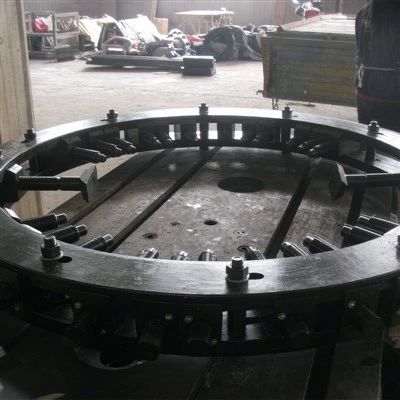
I also want to mention the pole coil side of things, because that’s a niche where a lot of people haven’t considered embossing. For motor and transformer manufacturers, pole coils need small embossed marks for tracking lot numbers or specifications, and our Pole Coil Press Machine is built with a compact bed that’s perfect for that. You don’t need a huge press to emboss small, delicate marks on pole coils, so repurposing or upgrading your existing coil hydraulic press for that task is totally feasible. We’ve sold dozens of these setups over the past two years, and none of them have had issues with embossing on pole coils—just make sure you’re using a die that’s sized for the small coil end, not a large industrial pattern.
At the end of the day, the answer to “Can a coil hydraulic press be used for embossing coils?” is a resounding yes—if you have the right machine setup, dies, and workflow. It’s not a one-size-fits-all, but it’s a practical, cost-effective option that a lot of manufacturers overlook because they think their existing equipment is only for one job. As a supplier, my goal isn’t to sell you a machine you don’t need—it’s to help you get the most out of the gear you already have, and recommend upgrades when it makes sense. If you’re currently using a mechanical press for embossing and dealing with uneven pressure, slow production, or die changes that take hours, a coil hydraulic press could solve those problems. Even if you’re in the market for a new machine, opting for a modular hydraulic coil press lets you handle embossing, straightening, cutting, and more, so you’re not stuck buying separate equipment for every task.
If you’re curious about testing this out for your own production, or you want to ask more specific questions about tonnage, dies, or workflow setups, feel free to reach out. I’m always happy to walk through your specific needs, whether that’s small-batch embossing for custom parts, high-volume runs for industrial coils, or niche stuff like pole coil embossing. Don’t overcomplicate it—sometimes the best solution is right under your nose, in the machine you’re already using every day.
References
- Coil Processing Equipment: Modern Hydraulic Press Capabilities for Secondary Forming Tasks, Journal of Industrial Manufacturing, 2022
- Die Compatibility and Workflow Optimization for Multi-Task Coil Presses, Manufacturing Engineering Quarterly, 2023
- Embossing Best Practices for Thin Gauge Metal Coils, Small Batch Production Guide, 2021